What is Retail Digital Signage?
Retail digital signage refers to the use of digital screens in retail environments to display dynamic content such as promotions, product information, advertising, and brand messaging. It allows content to be updated instantly and centrally managed, helping retailers improve engagement, sales, and customer experience.
Retail digital signage is transforming the way physical stores engage, inform, and convert customers. In a world where shoppers are used to digital-first experiences, static posters and printed displays are no longer enough.
Instead, retailers are turning to dynamic, screen-based communication to create immersive, responsive, and data-driven in-store experiences.

What is Retail Digital Signage Used For?
Retail digital signage is used to communicate with customers at key decision points throughout the shopping journey.
- Promoting products and special offers
- Delivering brand messaging in-store
- Guiding customers with information and wayfinding
- Enhancing product discovery
- Supporting real-time marketing campaigns
Types of Retail Digital Signage
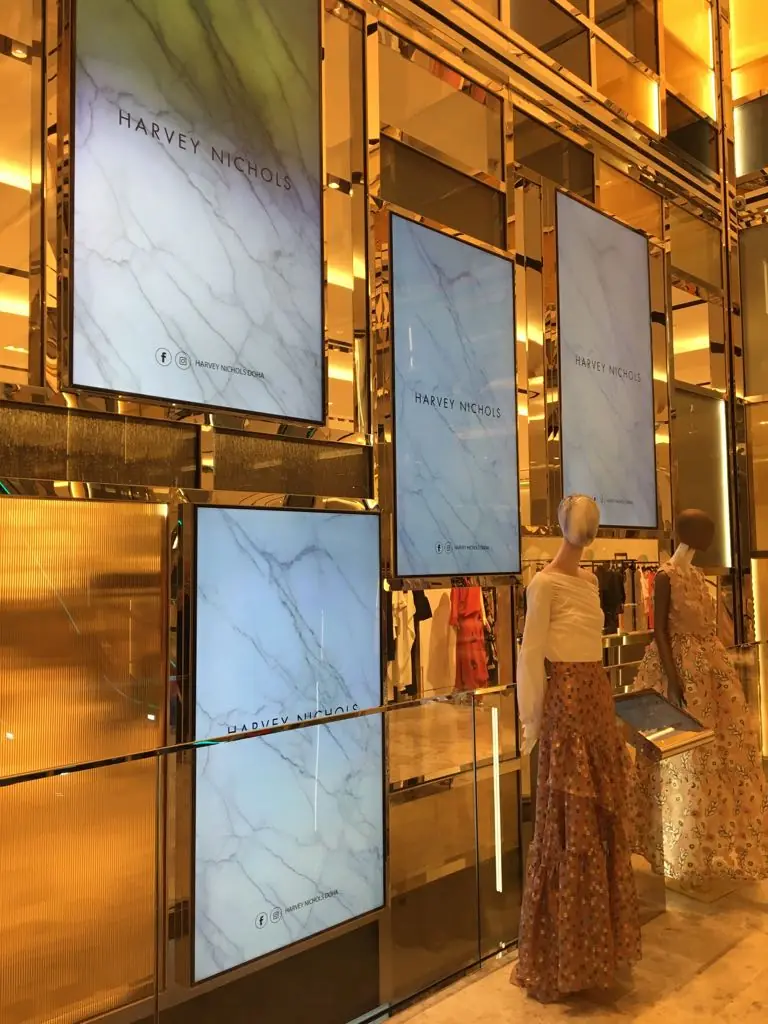
- Digital window displays
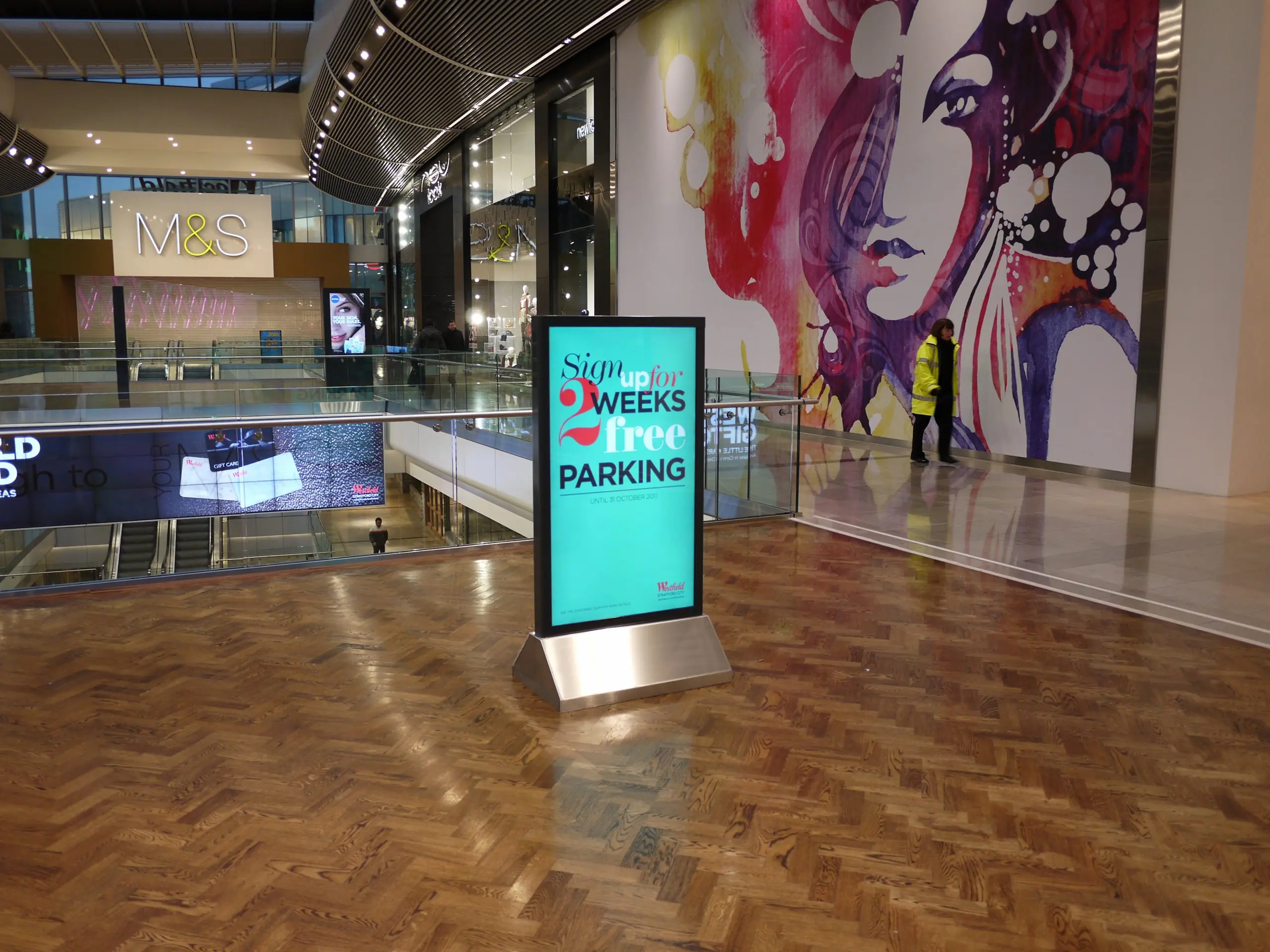
- In-store promotional screens
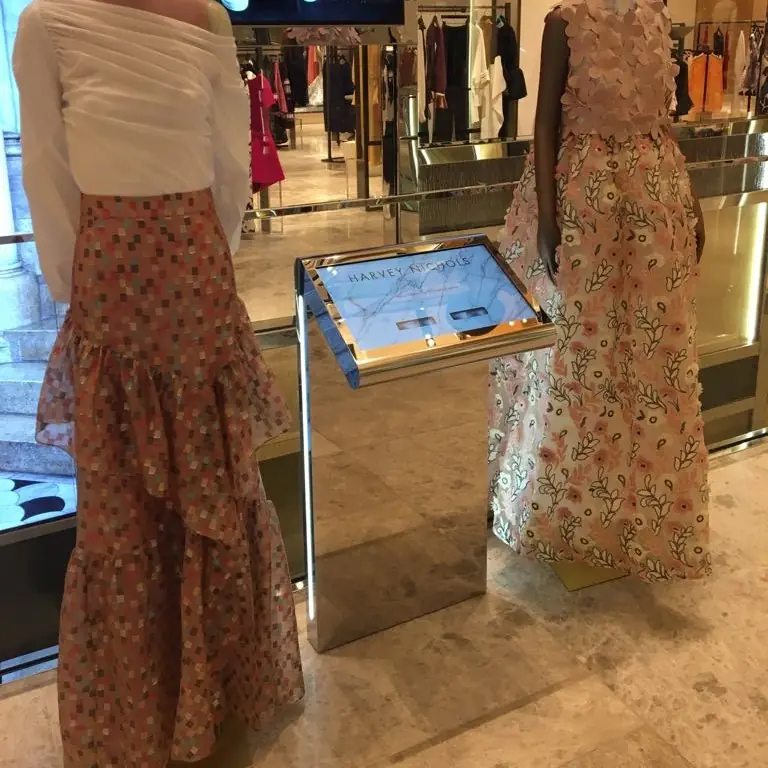
- Interactive touch kiosks
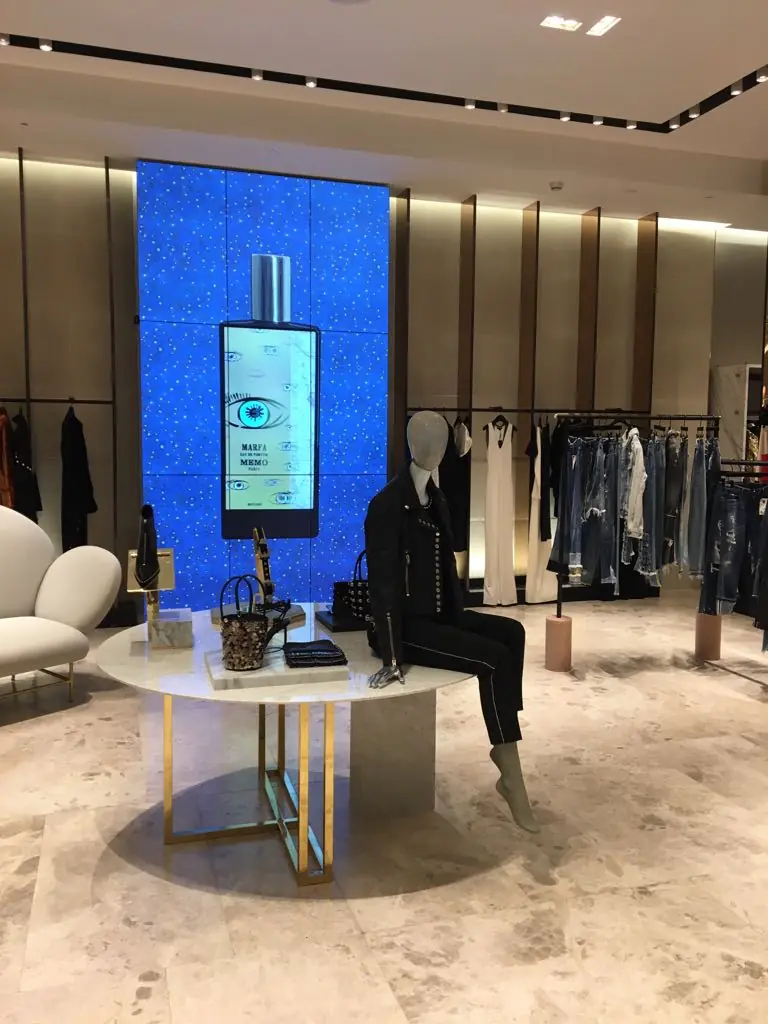
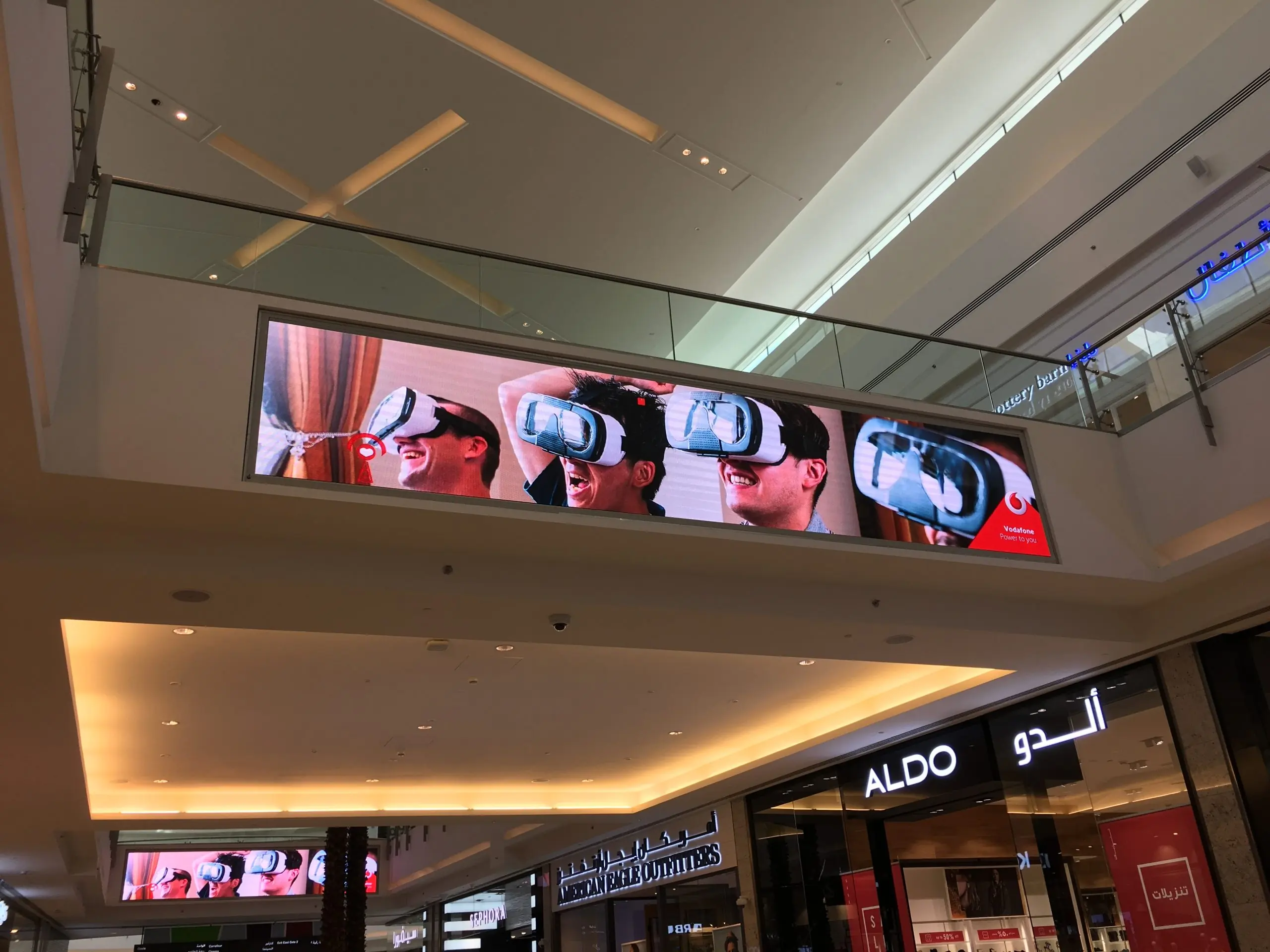
- Video walls
- Digital shelf-edge displays
- Self-service checkout screens
How Retail Digital Signage Works
- Content is created or uploaded into a CMS
- Campaigns are scheduled or triggered by rules
- Content is distributed to screens across stores
- Displays update in real time
How Retail Digital Signage Works. The Key Benefits of Retail Digital Signage
1. Increases Sales and Conversions
Retail digital signage directly impacts purchasing behaviour.
- Up to 70% of customers say digital displays influence their buying decisions
- Digitally promoted products can see sales increases of over 30%
By placing targeted messaging exactly where decisions are made, retailers can drive impulse purchases and increase basket size.
2. Captures Attention and Drives Footfall
Digital screens use motion, colour, and video — all proven to outperform static signage.
- Around 80% of customers have entered a store because of digital signage
This makes it a powerful tool for storefronts, window displays, and high-traffic retail environments.
3. Enhances the In-Store Experience
Modern shoppers expect more than just shelves of products.
- Interactive product exploration
- Educational content and demonstrations
- Entertaining media to reduce perceived wait times
This creates a more engaging and memorable shopping journey.
4. Enables Real-Time Content Updates
One of the biggest advantages is agility.
- Update promotions instantly through digital signage CMS
- React to weather, stock levels, or demand
- Schedule content by time of day or audience
This eliminates printing costs and ensures messaging is always relevant.
5. Strengthens Brand Consistency
For multi-location retailers, consistency is critical.
- Unified messaging across all stores
- Centralised control of campaigns
- Scalable brand experiences
This helps reinforce brand identity at every touchpoint.
6. Creates New Revenue Opportunities
Retailers are increasingly monetising their screens by:
- Selling advertising space to brands
- Promoting partner products
- Running retail media networks
This turns signage into a revenue-generating asset, not just a marketing tool.
7. Improves Operational Efficiency
Digital signage reduces reliance on manual processes:
- No printing or distribution costs
- Faster campaign rollouts
- Easier updates across multiple locations with the CMS platform
This improves both efficiency and sustainability by reducing waste.
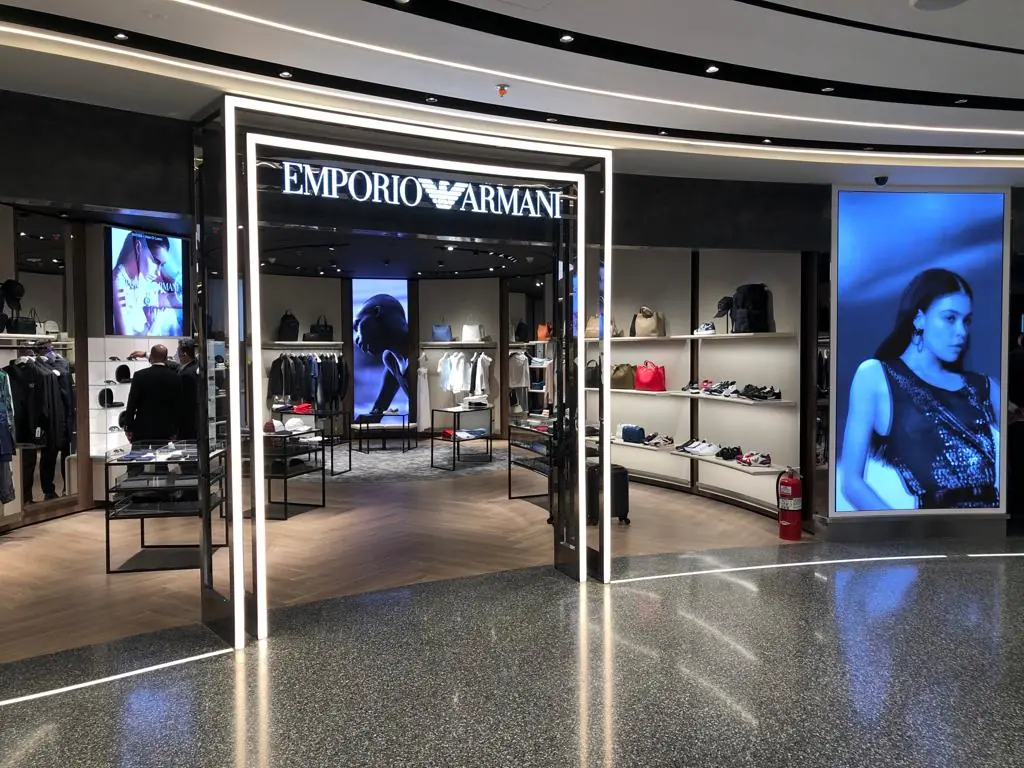
What is Retail Digital Signage? (Definition)
Retail digital signage refers to digital screens and display networks used in retail environments to deliver content such as promotions, product information, branding, and real-time messaging.
These displays can include:
- LED or LCD screens
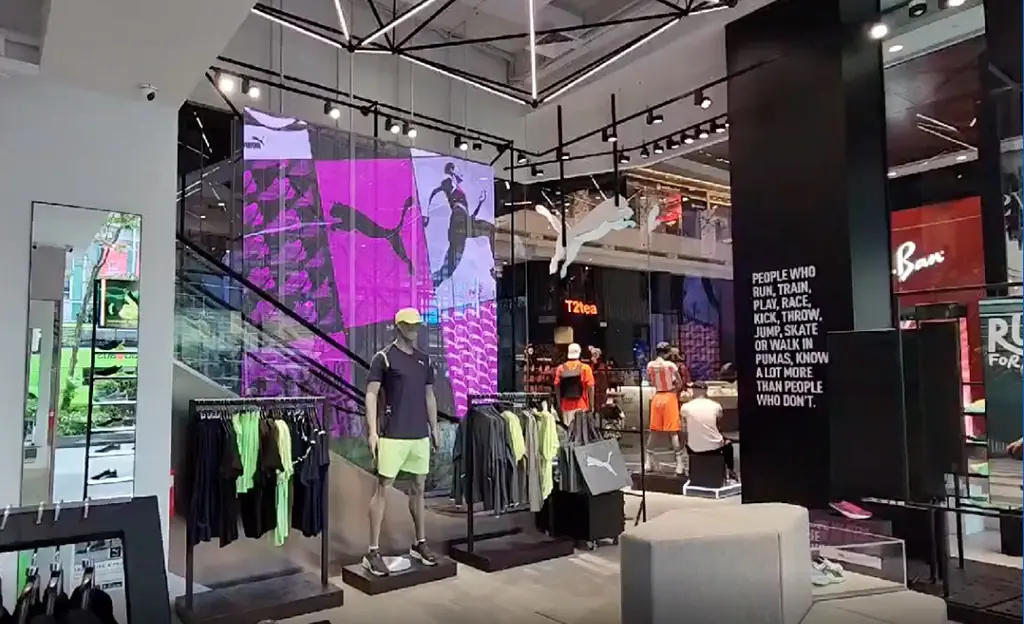
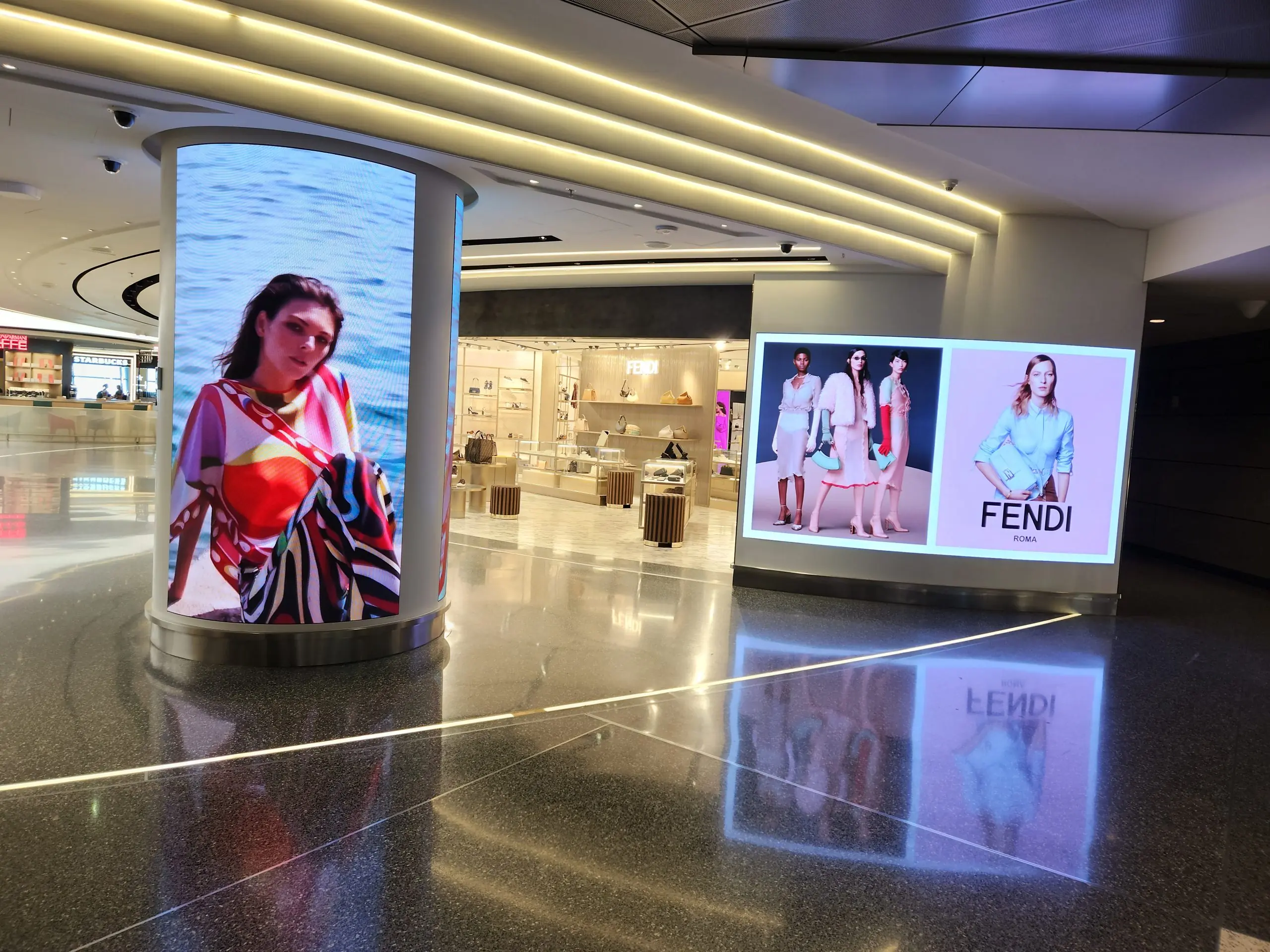
- Video walls
- Interactive kiosks
- Digital menu boards
- Smart mirrors
Unlike traditional signage, digital signage allows retailers to update content instantly via software, making messaging agile, relevant, and highly engaging.
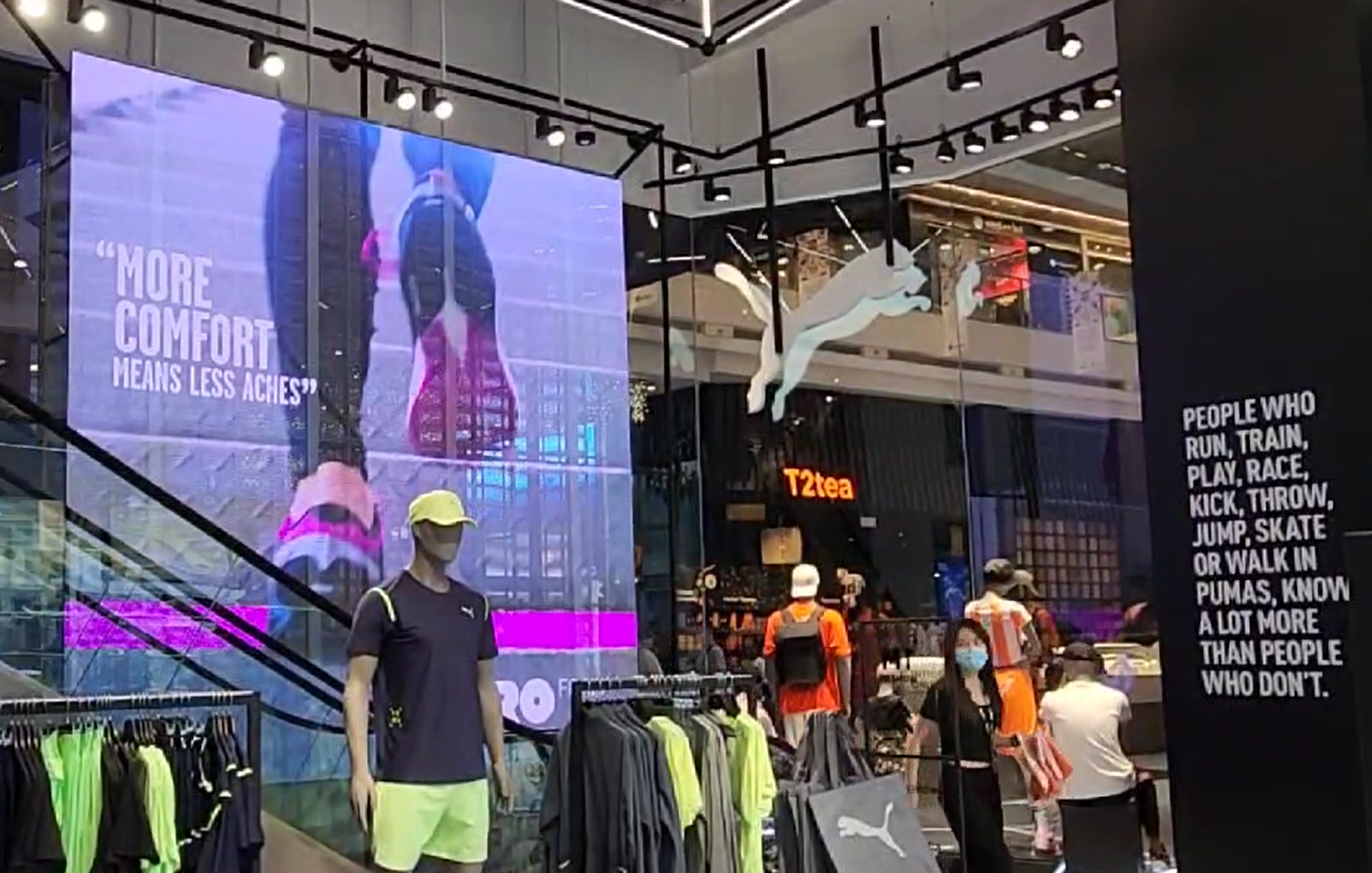
Why Retail Digital Signage Matters in Modern Retail
Today’s retail landscape is driven by experience. Customers expect the same level of engagement in-store as they receive online.
Retail digital signage bridges this gap by creating a “phygital” (physical + digital) environment, where shoppers can access rich, dynamic content while browsing in-store.
It’s no longer just a “nice-to-have” — it’s a core retail strategy used to:
- Capture attention in crowded environments
- Influence buying decisions at the point of sale
- Deliver consistent brand messaging across locations
- Adapt instantly to promotions, inventory, or local trends

Examples of Retail Digital Signage in Action
Retailers use digital signage across multiple touch-points:
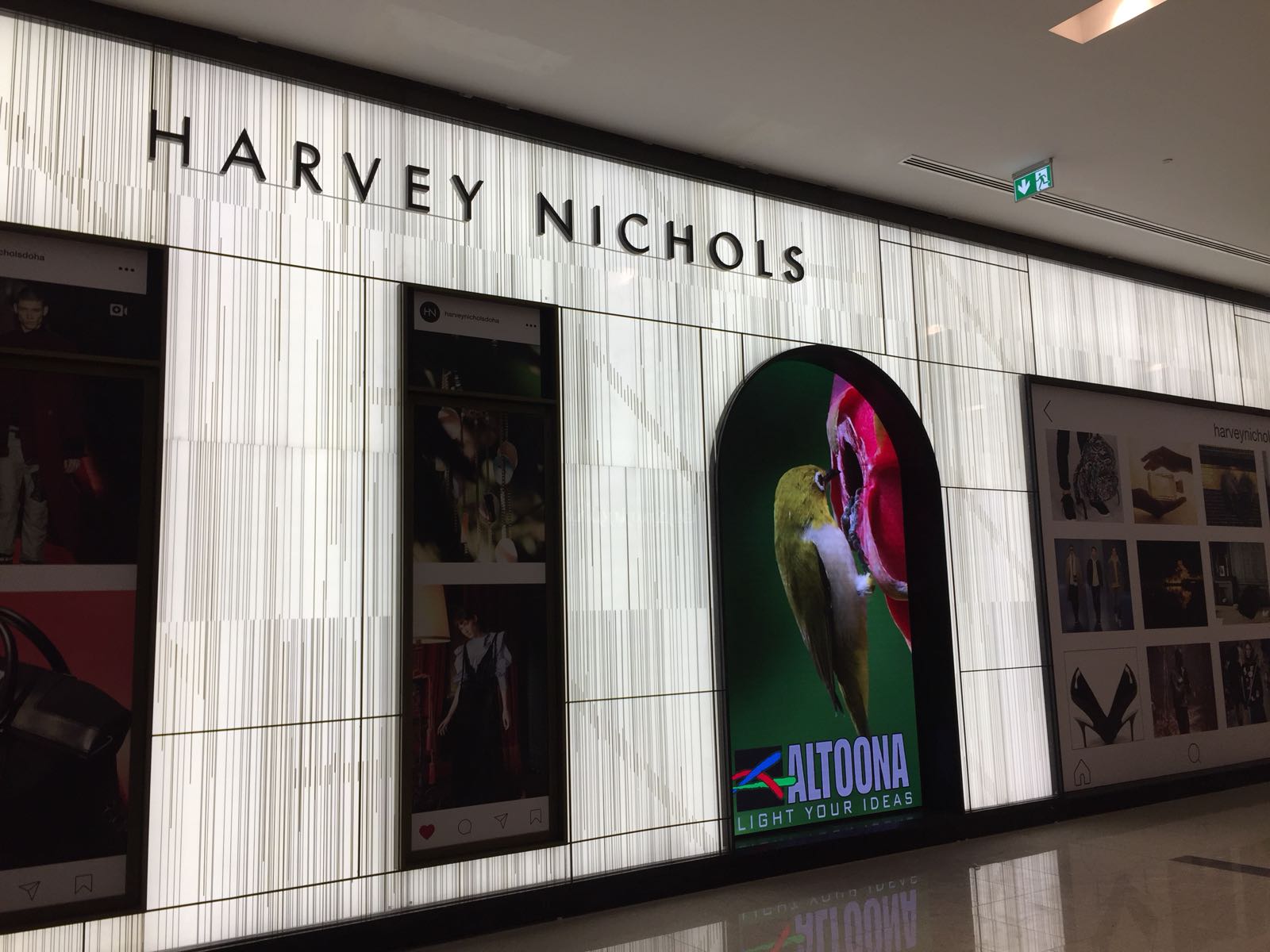
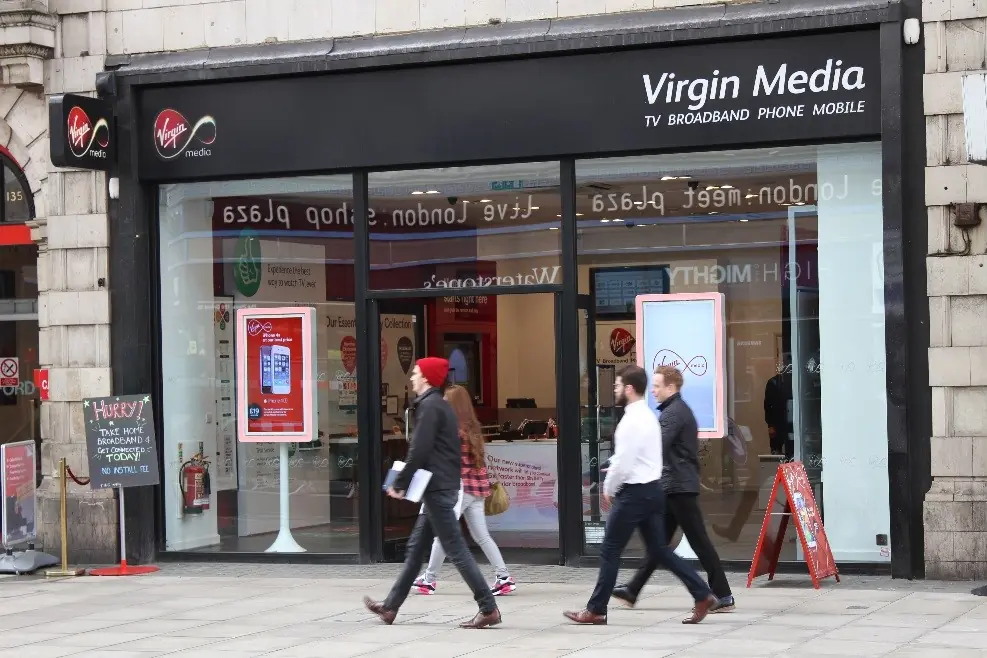
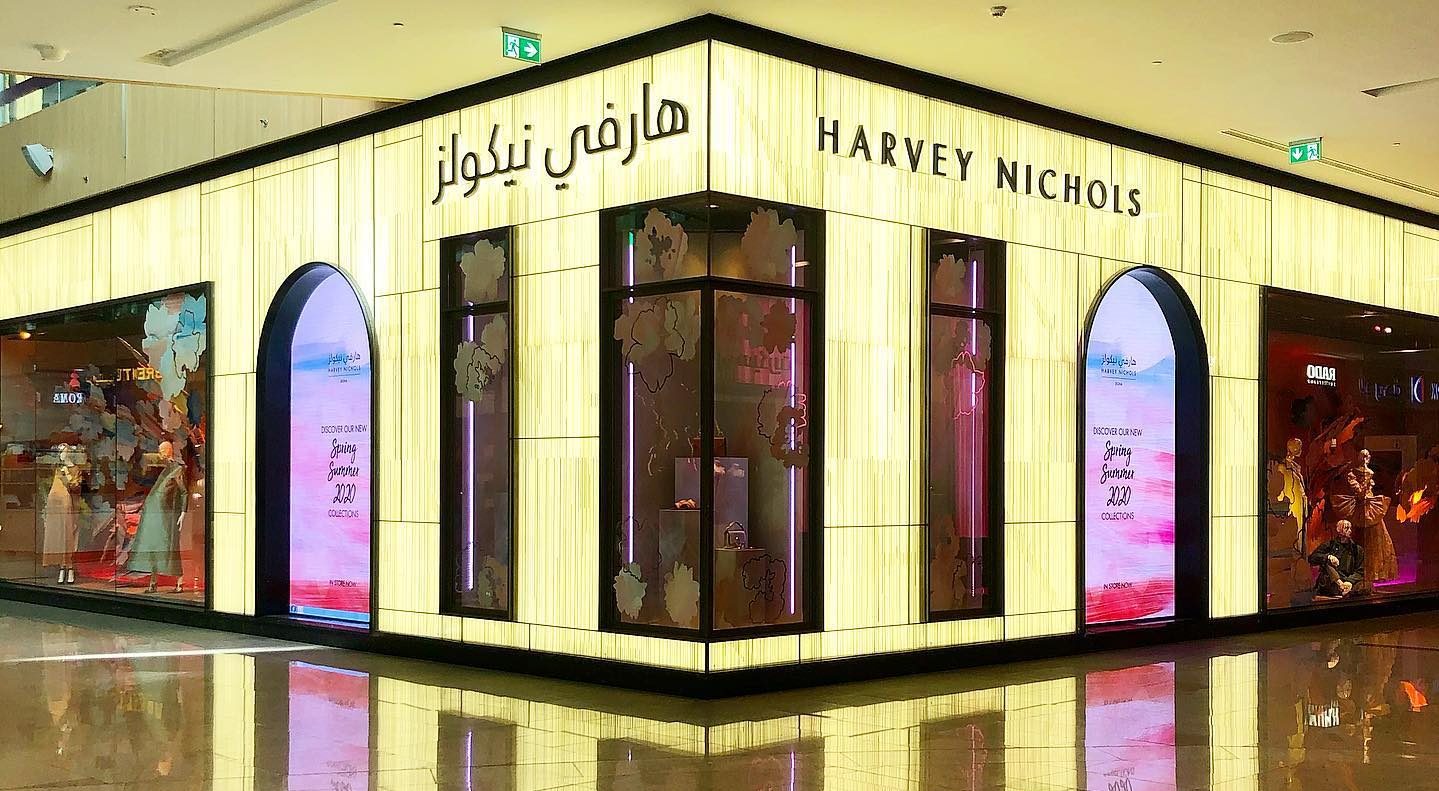
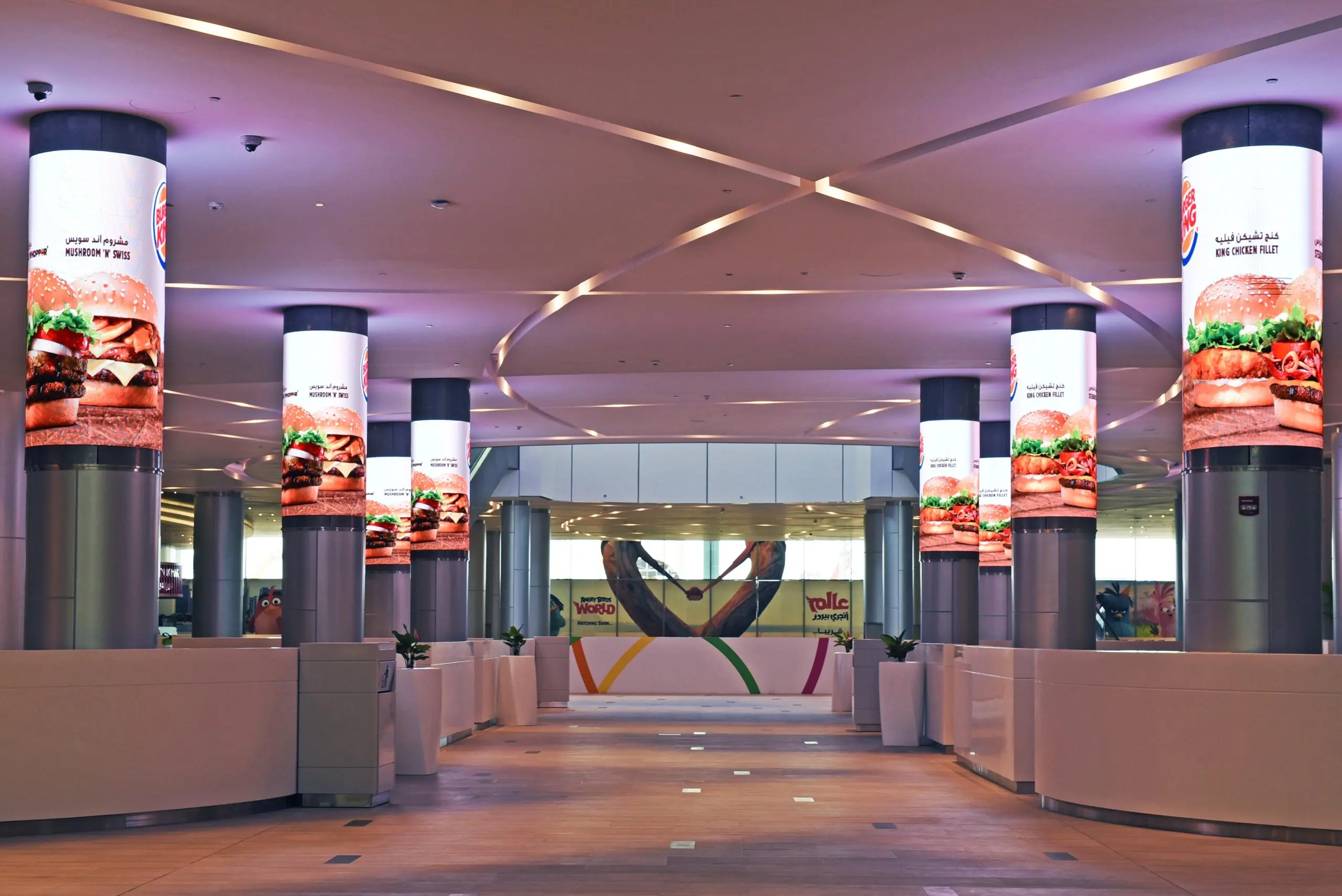
- Storefront displays to attract foot traffic
- In-aisle screens for product education and upselling
- Checkout displays to drive last-minute purchases
- Interactive kiosks for product search and wayfinding
- Fitting room screens for personalised recommendations
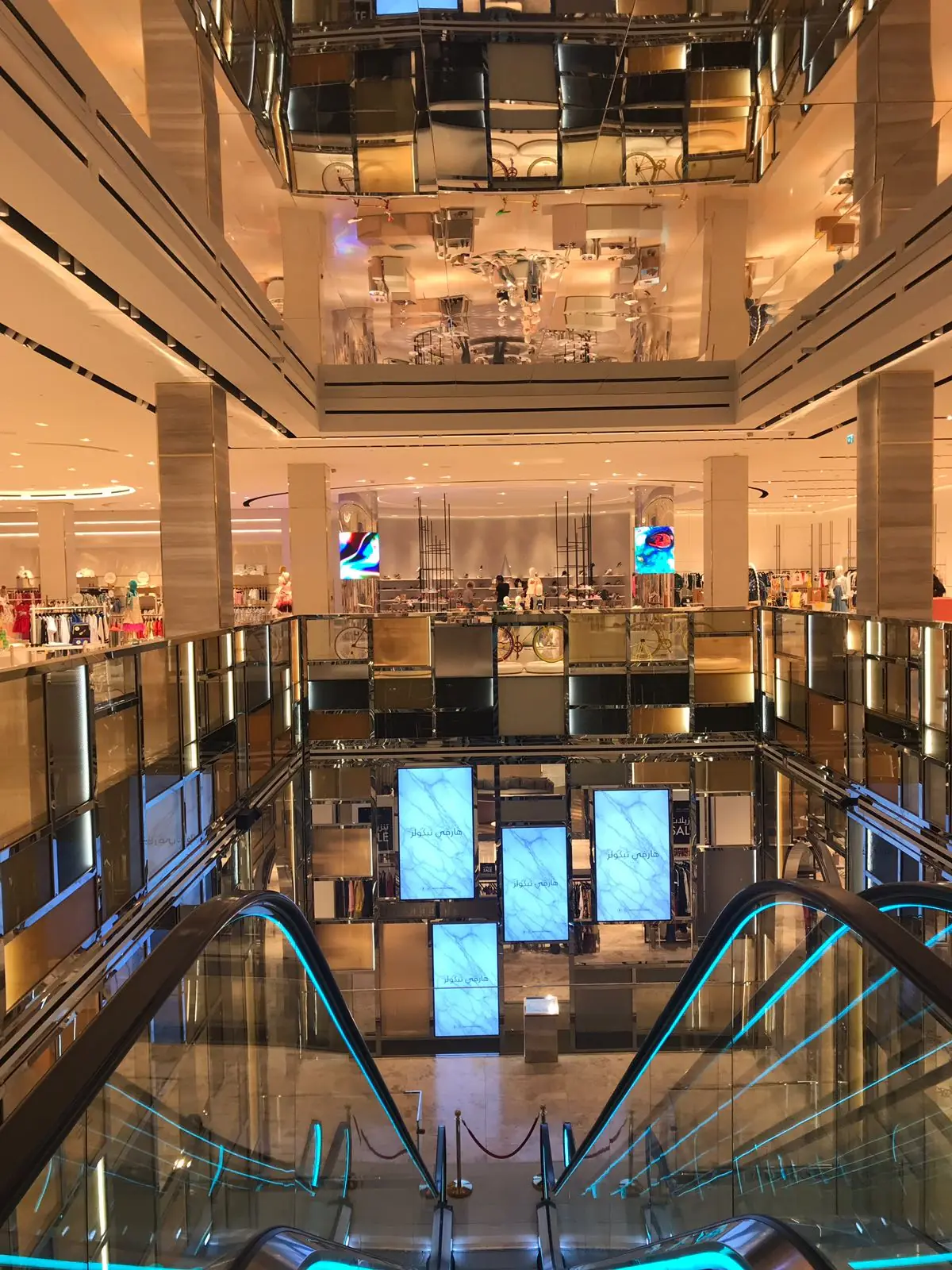
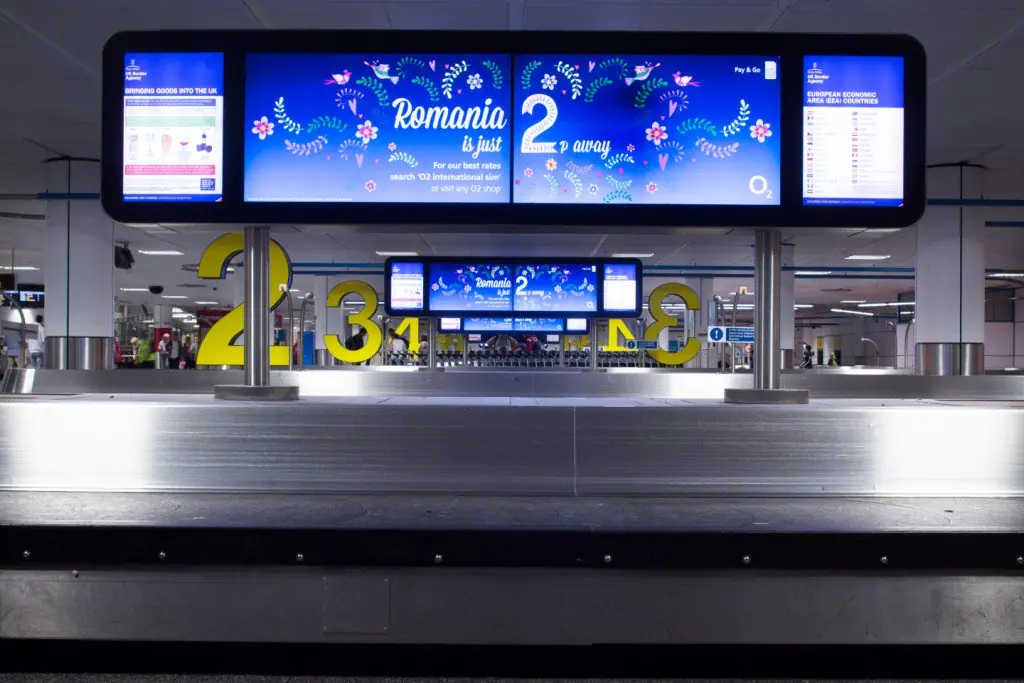
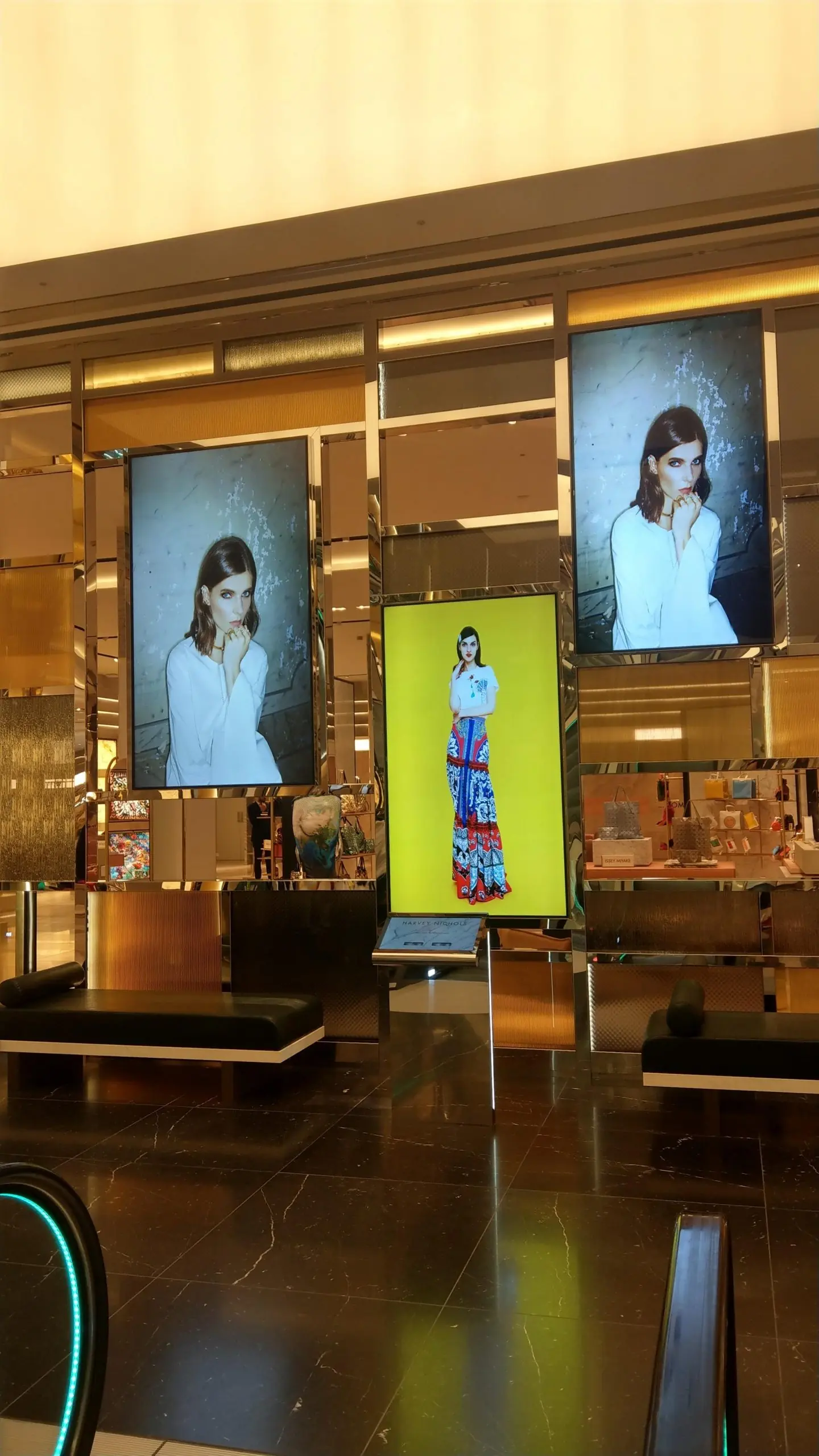
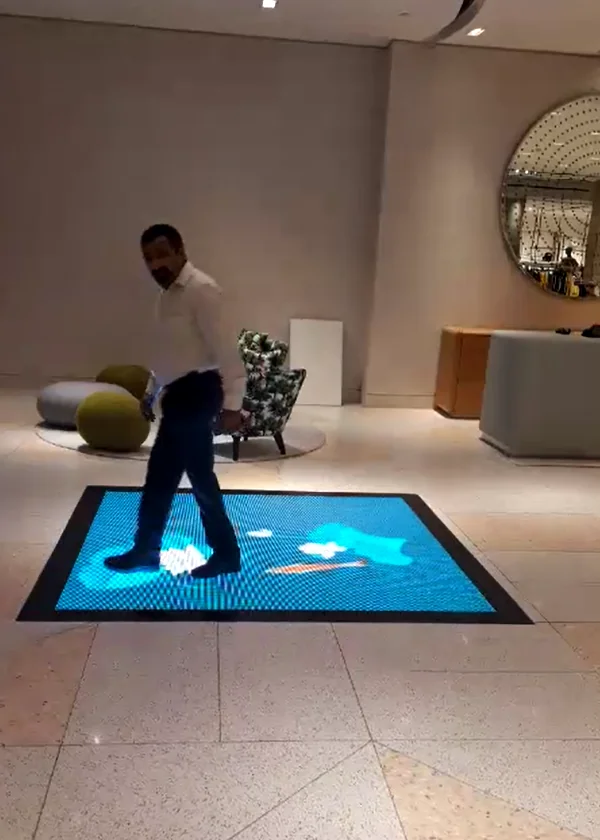
These applications work together to guide customers through the buying journey. See our gallery digital display of examples.
Retail Digital Signage vs Traditional Signage
Digital signage clearly offers a more scalable, measurable, and impactful solution for modern retail environments.
| Feature | DIGITAL SIGNAGE | Traditional Signage |
|---|---|---|
| Content updates | Instant, remote | Manual, time-consuming |
| Engagement | High (video, motion, interactivity) | Low (static) |
| Cost over time | Lower (no reprinting) | Higher (ongoing print costs) |
| Flexibility | Dynamic and data-driven | Fixed |
| Measurability | Trackable and optimisable | Limited |
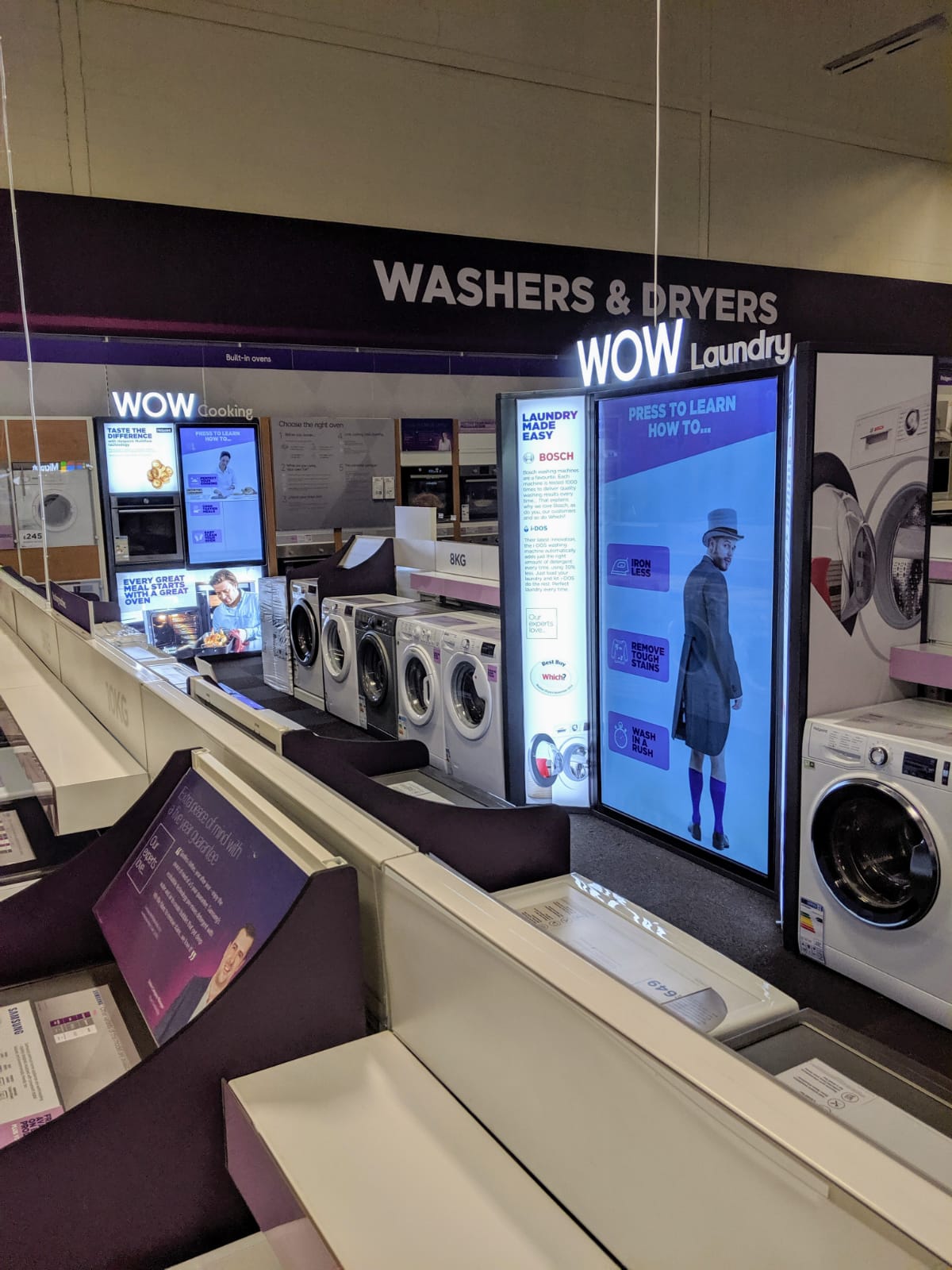

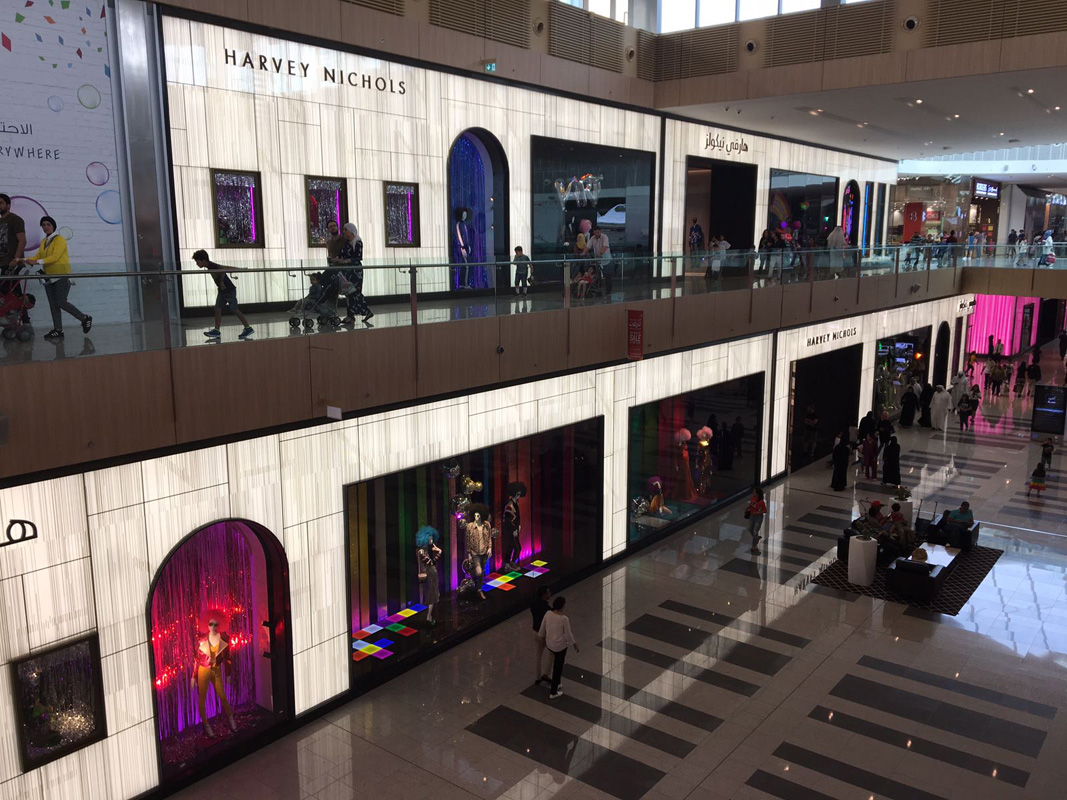


Is Retail Digital Signage Right for Your Business?
Retail digital signage is suitable for:
- High street retailers
- Shopping centres and malls
- Supermarkets and convenience stores
- Fashion and lifestyle brands
- Showrooms and experiential spaces
If your goal is to increase engagement, boost sales, and modernise your in-store experience, digital signage is one of the most effective tools available today.

The Future of Retail is Digital
Retail is evolving rapidly — and digital signage sits at the centre of that transformation.
As technologies like AI, personalisation, and retail media networks continue to grow, digital signage will become even more powerful, enabling:
- Hyper-targeted messaging
- Real-time customer insights
- Seamless omnichannel experiences
Retailers who invest now will be best positioned to compete in the future.
Ready to Transform Your Retail Space?
At Esprit Digital, we design and deliver cutting-edge retail digital signage solutions tailored to your brand, your stores, and your customers.
Get in touch, complete the contact form below to discover how we can help you create impactful in-store experiences that drive real results. See some of our success stories on our case studies page.
Retail Digital Signage most asked FAQs
What is retail digital signage used for?
Digital signage is used to display promotions, advertisements, product information, and brand messaging in-store to influence customer behaviour and improve the shopping experience.
How does digital signage increase store product sales in?
Digital signage increases sales by capturing attention, promoting products at the point of purchase, and delivering targeted, real-time content that influences buying decisions.
What types of screens are used in retail digital signage?
Retailers use LCD screens, LED displays, video walls, kiosks, and interactive touchscreens depending on the store environment and objectives.
Is retail digital signage expensive?
While there is an upfront investment, digital signage reduces long-term printing costs and can generate revenue through advertising, making it cost-effective over time.